
How to Create the Ideal Baby Sleep Environment for Restful Nights

Updated: Sep 12, 2025
How to Create the Perfect Sleep Environment for Your Baby
(and why it can make all the difference)
Let's have a real talk about something that doesn't get enough credit when it comes to baby sleep: the sleep environment.
Yep, I'm talking about the room your baby sleeps in, how it's set up, and all those little details that either help them drift off peacefully or leave everyone wondering why we're still awake at 3 am again.
Here's the truth: A thoughtfully designed sleep space can seriously change the game when it comes to building healthy sleep habits. And the best part? It's not about making things picture-perfect. It's about making them functional, consistent, and conducive to sleep.
Why Your Baby's Sleep Environment Matters
Think of it this way: your baby's sleep space is full of silent signals. It tells their brain "hey, it's time to rest now." When that space is calm, consistent, and designed with sleep in mind, it's much easier for your baby to fall asleep and stay asleep.
Creating the right sleep environment sets your baby up for:
Longer naps
Fewer night wakings
Easier bedtime transitions
And most importantly- better rest for everyone
Let's break down the essentials to creating a sleep-friendly space without the overwhelm.
Make it Dark, Dark, Dark
Here's the thing: darkness signals melatonin, the sleep hormone that helps babies fall asleep and stay asleep. Even a little bit of light (from a hallway, a streetlamp, a clock) can disrupt your baby's sleep.
Aim for pitch black. You shouldn't be able to see your hand in front of your face. Blackout curtains or stick-on window covers can help big time.
Use Continuous White Noise
White noise isn't just a trend. It mimics the constant sounds your baby was used to in the womb and blocks out household or other external noise. It can:
Soothe a fussy baby
Prevent startling
Create a consistent sleep cue
Make sure the sound machine plays continuous white noise (no rainstorms or lullabies that shut off mid-nap), and place it across the room at a safe volume.
Keep the Room Cool and Comfortable
Babies sleep best in a cool room (usually around 68-72 degrees) Overheating can cause restless sleep and is also a safety concern.
A breathable sleep sack or swaddle can keep baby comfy while staying safe.
Keep the Crib Simple and Safe
When it comes to baby sleep, less is more. Stick with
A firm, flat sleep surface
A fitted crib sheet
No loose blankets, bumpers, or stuffed animals
Not only is this safer but it's also less stimulating. Babies rest better when there's nothing to distract or startle them.
Dim the Lights Before Bed
Bright lights tell the brain it's still daytime. During your bedtime routine, try using warm , dim lighting instead of bright overhead bulbs. A soft nightlight or lamp is perfect for:
Calming your baby during the wind-down routine
Supporting melatonin production
Creating a consistent pre-sleep cue
Ditch the Screens
Blue light from phones, tablets, or tvs in the background can interfere with your baby's melatonin production and circadian rhythm. If possible, limit screen time around naps and bedtime (even for adults in the same room). I know it's hard when you're scrolling during that middle of the night feed, but it really does make a difference.
Final Thoughts: Why This Really Matters
Creating the right sleep environment is one of the easiest and most effective ways to support better sleep- both now and in the long run.
By making your baby's room a calm, consistent, and cozy place to sleep, you're helping their body and brain recognize sleep time, settle more easily, and stay asleep longer. This becomes a powerful foundation for independent sleep skills and smoother transitions as they grow.
The Ideal Baby Sleep Environment Checklist
✓ Pitch black room
✓ Continuous white noise
✓ Room temp between 68-72 degrees
✓ Safe sleep space: firm mattress, no extras
✓ Dim, warm lighting during bedtime routine
✓ No screens before or during sleep time
Need Help Beyond the Environment?
If you've tried all the tips above and your baby is still waking up all night or struggling with naps, I can help.
I create custom sleep plans and offer one-on-one support to help families like yours build strong, lasting sleep habits that work for your unique situations.
Want Safe Sleep Advice in Your Inbox?
✨ Grab my FREE Safe Sleep Guide. It's perfect for new parents, caregivers, or anyone feeling unsure about what really matters when it comes to safe and restful sleep.
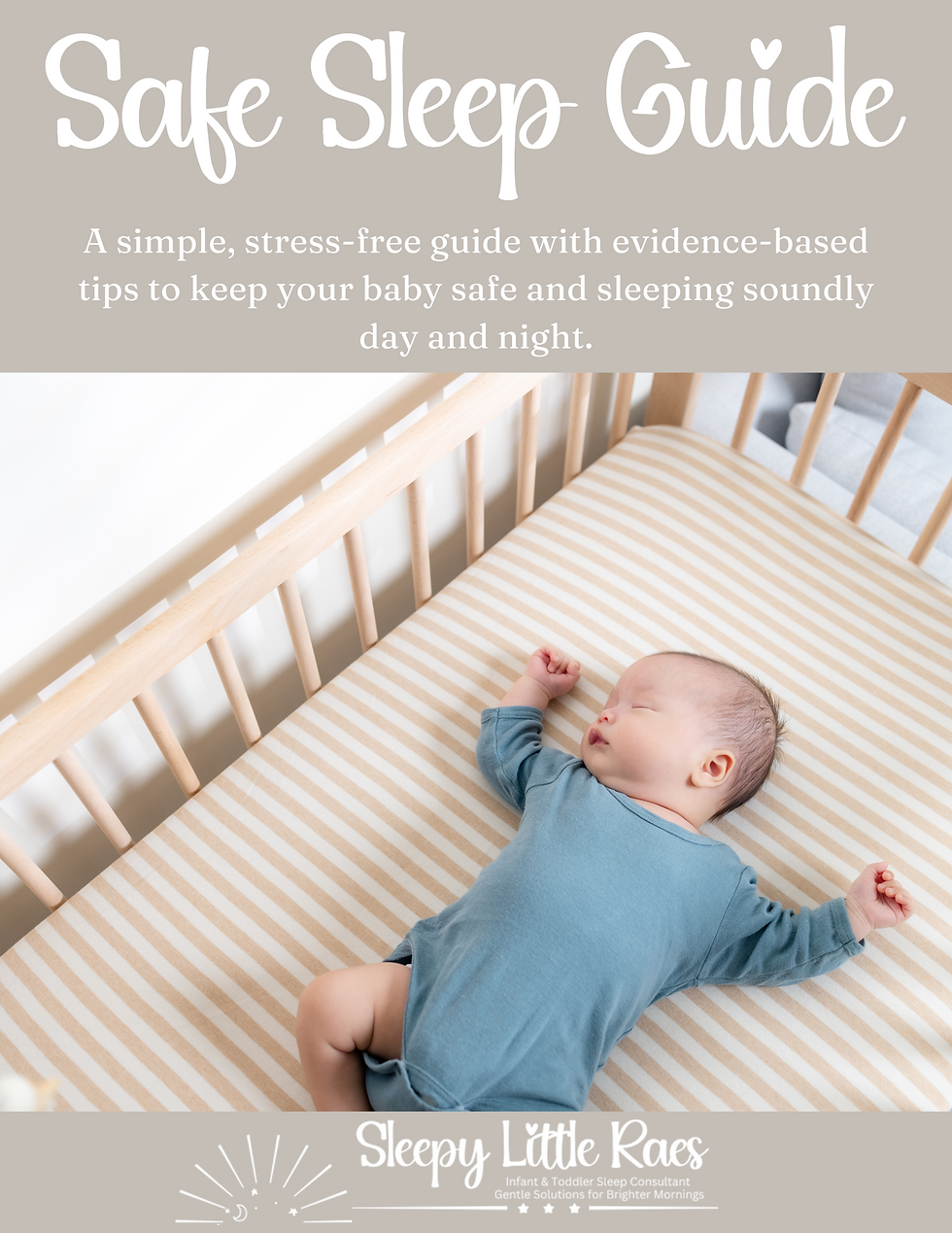
You'll get instant access to:
The PDF safe sleep guide
Monthly sleep tips and support straight to your inbox
First access to freebies, sleep Q&As, and special offers
Sending sleepy vibes your way
Xoxo
Ashley
As an Amazon Associate I earn from qualifying purchases.


Comments